Official listing
Game description
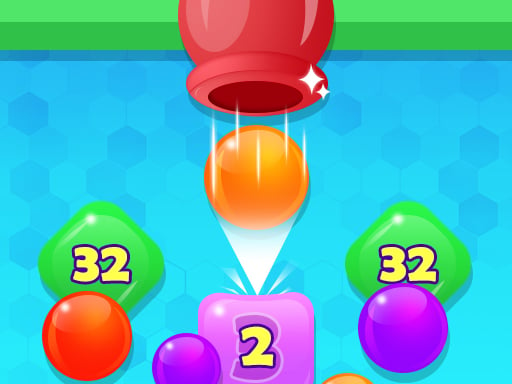
This game is more difficult than it may seem ! You have a playing field on which you need to throw colors and connect the same ones!
Puzzles game
Dice Puzzle Flowers! is a single-player 2D puzzle game where players work on a dedicated playing field, throwing colors onto the board to connect identical items. While early moves feel straightforward, managing space becomes steadily more demanding as more flowers populate the play area over time.

Choose Play now to load the game.
Official listing
This game is more difficult than it may seem ! You have a playing field on which you need to throw colors and connect the same ones!
From the game listing
1 At first it will be easy to connect the flowers but over time there will be more and more of them
Open this card to load the gameplay video.
Dice Puzzle Flowers! is a single-player 2D puzzle game where players work on a dedicated playing field, throwing colors onto the board to connect identical items. While early moves feel straightforward, managing space becomes steadily more demanding as more flowers populate the play area over time.
Dice Puzzle Flowers! presents an accessible matching puzzle experience centered around a clear playing field. The core activity requires players to throw colors into the active space and connect the same ones together. Visually presented in clean 2D dimensions, each decision revolves around finding suitable positions for incoming items and keeping identical colors in close contact.
The pacing shifts as the board evolves. The instructions note that connecting flowers starts out easy, but an increasing number of flowers appear as play continues. This dynamic gradually restricts available open space, transforming what initially seems like simple placement into a test of foresight and careful board organization.
The main objective in Dice Puzzle Flowers! is to throw colors onto the playing field and connect matching ones to keep the board viable. Players strive to maintain manageable board density as the number of flowers naturally increases, aiming to make cleaner connections and extend their run across longer sessions.
1. Survey the 2D playing field to identify open spaces and existing color clusters before placing a new item.
2. Throw incoming colors onto the playing field, targeting zones where matching colors already reside.
3. Connect the same colors together to consolidate items on the board.
4. Monitor the buildup of flowers across the board as their numbers increase over time.
5. Adapt your placement strategy to keep clear channels open for future matching opportunities.
The game operates directly on the active playing field. Specific keyboard shortcuts or mouse configurations are not detailed in the official instructions; players interact directly with the board to place colors and join matching flowers.
The central challenge in Dice Puzzle Flowers! rests on spatial discipline and anticipatory placement. Connecting matching colors when the board is empty requires minimal planning, but as additional flowers enter the field, open territory rapidly disappears. Players must balance the immediate gratification of an easy pair against the long-term risk of isolating single colors in awkward corners.
Because more flowers accumulate over time, maintaining flexible layout patterns is essential. Successful play involves creating designated sectors for specific colors rather than scattering placements randomly. This deliberate rhythm keeps connection lanes clear and prevents unexpected gridlock as the board grows denser.
Progression in Dice Puzzle Flowers! is driven by cumulative board pressure rather than distinct level checkpoints. The instructions emphasize that initial connections feel easy, but flower counts naturally escalate as time goes on. This ongoing accumulation steadily decreases empty space on the playing field.
To handle this rising difficulty, players should adopt a structured practice approach. Focus first on building clean organizational habits during early, low-density phases. In later attempts, aim to sustain that orderly layout under tighter board constraints, refining placement consistency as flower volume climbs.
Dice Puzzle Flowers! sits firmly within the puzzle and brain teaser genre, appealing to players who enjoy tactical spatial reasoning over twitch reflexes. Like many classic logic games, it presents simple foundational mechanics—throwing colors and matching identical elements—while deriving its complexity from emergent board constraints.
The addition of increasing piece density aligns with enduring puzzle traditions where managing limited capacity is the primary test. Fans of calm, deliberate single-player sessions will appreciate how the game encourages mindful placement, asking players to look ahead and prepare the board for future moves.
Players searching for a casual puzzle game online often seek straightforward mechanics paired with escalating spatial challenges. Dice Puzzle Flowers! meets this interest by offering an uncluttered playing field where the rules are immediately intuitive: aim colors, connect matching flowers, and navigate an increasingly busy board.
For casual daily practice, the game serves as an accessible mental warm-up. Its single-player structure lets players experiment with different color grouping strategies, test organizational discipline, and practice foresight without requiring extensive setup or complex rulebooks.
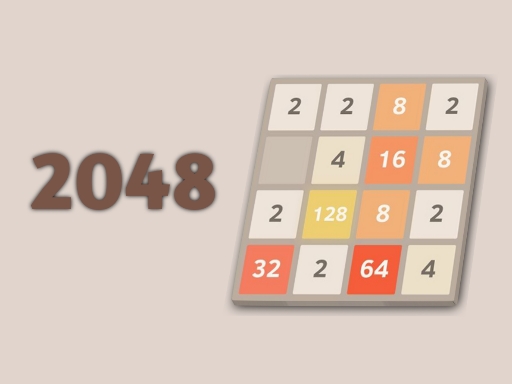
2048: 2048 centers on sliding numbered tiles across a grid to merge identical values into higher numbers. Dice Puzzle Flowers! shares the fundamental concept of connecting matching pieces within a constrained area, but replaces sliding numbers with throwing colors into a field that grows crowded over time. Players who enjoy the careful space management of 2048 will find a familiar emphasis on positioning, wrapped in a colorful floral theme.
What is the primary objective in Dice Puzzle Flowers!? The primary objective is to throw colors onto the playing field and connect matching ones together, managing your board layout as more flowers accumulate over time.
Why does Dice Puzzle Flowers! become more challenging over time? Connecting flowers starts out easy on an open board, but as the session continues, an increasing number of flowers enter the field, making space scarcer and placement choices more demanding.
Is Dice Puzzle Flowers! played alone or with other players? Dice Puzzle Flowers! is designed as a single-player 2D puzzle experience, allowing individual players to focus on board organization and placement strategy at their own pace.
How can beginners improve their board management? Beginners can improve by clustering identical colors in dedicated areas early on and avoiding placements that wall off open territory, keeping clear pathways ready for subsequent throws.
Tell us if the game does not load, the information is wrong or the content needs review.
Report a problemExplore popular games by category, shared tags and site-wide activity.