 3D Quiz: Fight of Four
Puzzles
3D Quiz: Fight of Four
Puzzles
Play by tag
Free Online Memory Games
The Memory tag gathers over 570 browser games centered on recall, pattern recognition, and visual retention. While puzzle titles form the overwhelming core of this collection—making up more than 450 of the listed entries—you will also discover quick hypercasual challenges, arcade reaction titles, and family-friendly character puzzles.
552playable games
3D Quiz: Fight of Four
Puzzles
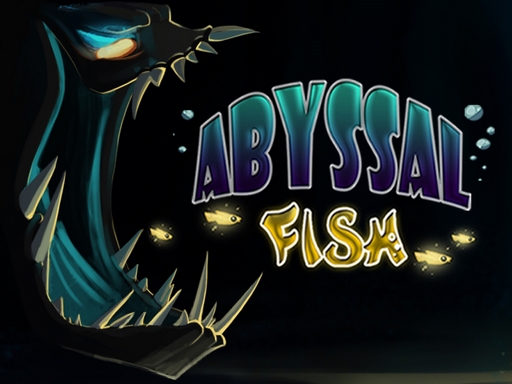 Abyssal Fish
Hypercasual
Abyssal Fish
Hypercasual
 Adds And Match Christmas
Puzzles
Adds And Match Christmas
Puzzles
 Adorable Fish Memory
Puzzles
Adorable Fish Memory
Puzzles
 Adorable Monster Memory
Puzzles
Adorable Monster Memory
Puzzles
 Advent Match and Move
Puzzles
Advent Match and Move
Puzzles
 Airplane Memory
Puzzles
Airplane Memory
Puzzles
 Alien Memory
Hypercasual
Alien Memory
Hypercasual
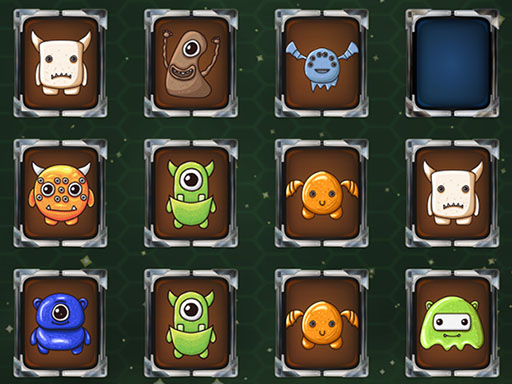 Aliens Memory - Memory Game
Puzzles
Aliens Memory - Memory Game
Puzzles
 Aliens Memory Game
Puzzles
Aliens Memory Game
Puzzles
 Alphabet Memory
Puzzles
Alphabet Memory
Puzzles
 Alphabet Memory Game
Puzzles
Alphabet Memory Game
Puzzles
 Amazing Heroes
Puzzles
Amazing Heroes
Puzzles
 Ambulance Trucks Memory
Puzzles
Ambulance Trucks Memory
Puzzles
 American Cars Memory
Puzzles
American Cars Memory
Puzzles
 American Football Card Match
Puzzles
American Football Card Match
Puzzles
 American Trucks Memory
Puzzles
American Trucks Memory
Puzzles
 Among Memory Match
Puzzles
Among Memory Match
Puzzles
 Among Us Christmas Memory
Puzzles
Among Us Christmas Memory
Puzzles
 Among Us Match3 Cards
Puzzles
Among Us Match3 Cards
Puzzles
 Among Us Memory
Puzzles
Among Us Memory
Puzzles
 Among Us Memory Card
Puzzles
Among Us Memory Card
Puzzles
 Among Us Memory Puzzle
Puzzles
Among Us Memory Puzzle
Puzzles
 Among Us Memory2
Puzzles
Among Us Memory2
Puzzles
Tag guide
Test Your Recall with Browser-Based Memory Games
The Memory tag gathers over 570 browser games centered on recall, pattern recognition, and visual retention. While puzzle titles form the overwhelming core of this collection—making up more than 450 of the listed entries—you will also discover quick hypercasual challenges, arcade reaction titles, and family-friendly character puzzles.
Most memory titles invite you to flip obscured cards, remember previous placements, and pair up identical illustrations under varying conditions. Other entries challenge your spatial retention by asking you to memorize layout obstacles or track movement patterns, offering quick mental warm-ups directly in your web browser.
What You Will Find in the Memory Collection
Browsing this collection reveals a broad spectrum of mental challenges suitable for casual breaks or structured brain exercises. The dominant format remains the classic concentration puzzle, where a grid of face-down tiles requires focused exploration and location tracking. However, the catalog also branches into active recall variants where visual memory directly drives survival and scoring.
- Classic card-flipping boards with paired characters, objects, or numbers.
- Timed arcade puzzles that evaluate completion speed alongside move efficiency.
- Hypercasual navigation titles where remembering unseen obstacles keeps you alive.
- Family and cartoon-themed matching boards designed for developing cognitive habits.
Substyles and Core Mechanics Represented
Card-matching games such as Genius Memory follow the classic concentration structure: flip two cards at a time, reveal their faces, and retain their grid coordinates if they do not match. Titles like Hello Kitty Memory Card Match introduce scalable difficulty by expanding the grid dimension, letting players start with small boards before tackling dense arrays.
Beyond stationary grids, games like Abyssal Fish weave memory into arcade traversal. Here, brief flashes of light illuminate hazards, forcing you to memorize safe routes through the dark ocean depths. The tag also contains hybrid titles, including hidden-object searches like Nick Jr. Sunny Day Super Search, traditional board games like Checkers for two, and word deduction games like Italian Brainrot Hangman.
How to Choose the Right Memory Game
Because this tag includes multiple genres, checking a few details before starting helps you find the right style of challenge:
If you want pure cognitive training, look for titles categorized under Puzzles or Card tags that emphasize move counters and pair completion. If you prefer high-energy reflex testing, explore Hypercasual or Arcade entries that combine memorization with real-time movement.
For younger learners or family play, titles tagged with Kids, Cartoon, or Family generally provide forgiving timers, cheerful artwork, and smaller starting grids to help build visual recall strategies naturally.
What to Look for in Individual Game Instructions
Every game implements its own scoring metrics and input conventions. Before beginning a round, take a moment to review the game description and on-screen help prompt:
Check whether the title evaluates you based on an active countdown clock, total flips taken, or an accuracy percentage. While many card matchers use standard left-mouse clicks or single-finger taps, arcade-oriented titles may require keyboard steering or continuous dragging to navigate around memorized obstacles.
Practical Tips for Improving Matching Scores
Developing systematic scanning habits makes a significant difference in grid-based memory games:
Work across rows or columns in an orderly sequence rather than flipping random tiles across the board. Mentally group revealed images by color or category, and avoid re-flipping known positions until you uncover their matching counterpart to keep your move count as low as possible.
memory games FAQ
What is the main objective in most memory games?
Most memory games require you to uncover hidden tiles or cards, remember their exact positions on the board, and successfully match identical pairs using the fewest moves or shortest time possible.
Are memory games suitable for young children?
Yes. A substantial portion of the catalog features kid-friendly themes, recognizable cartoon art, and adjustable grid sizes, making them useful for introducing basic visual recognition and concentration practice.
Do all games under the Memory tag use traditional card matching?
No. While grid-based pair matching represents the largest category, the tag also includes obstacle memorization games like Abyssal Fish, hidden object searches, word deduction games, and classic strategy board games.
How do memory games control on desktop and mobile?
Most standard puzzle and card titles rely on simple mouse clicks or touchscreen taps to select and flip tiles. Hybrid action or racing titles under the tag may require keyboard arrows or directional swipe controls.