About Solitaire: Spider and Klondike
Solitaire: Spider and Klondike delivers two staple card puzzle formats in one single-player release. Players can tackle traditional single-deck Klondike or take on the layered challenge of Spider across one, two, or four suits. Success requires thoughtful sequence building, careful board management, and logical planning to untangle complex columns while keeping total moves to a minimum.
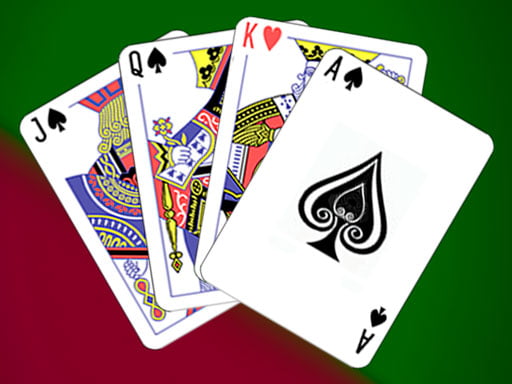
Solitaire: Spider and Klondike combines two distinct patience styles into a unified browser experience. Klondike presents the familiar single-deck layout where cards must be organized into descending sequences from King down to Ace, alternating between red and black suits to reveal buried cards and clear the tableau. This mode rewards steady evaluation of tableau columns and methodical organization of mixed-suit stacks.
The Spider variation shifts the strategic focus toward suit coordination and long-chain sequencing. Available in one-suit, two-suit, and four-suit configurations, Spider tasks players with organizing full runs to untangle dense card webs. Because every dealt column can trap crucial values, completing the layout demands tight move efficiency and foresight before committing cards to new piles.
Your goal
In Klondike, the objective is to clear the playing field by arranging available cards into structured sequences from King down to Ace using alternating colors. In Spider, the goal is to untangle every column by organizing cards into complete suit sequences. Across both variations, players aim to resolve the board using logical forethought and the fewest total moves possible.
How to play Solitaire: Spider and Klondike
1. Select your desired game variation from the main screen, choosing either Klondike or Spider.
2. If selecting Spider, pick your preferred suit configuration from the one-suit, two-suit, or four-suit options.
3. Survey the starting tableau to identify face-up cards, available sequential transfers, and trapped columns.
4. Click or tap exposed cards to transfer them onto valid target stacks across the playing field.
5. In Klondike, stack cards in King-to-Ace order while strictly alternating between red and black suits.
6. In Spider, assemble complete suit-matched runs to clear card columns while striving to use the fewest moves possible.
Controls and device support
Control cards directly on desktop with mouse clicks or on touchscreen devices with simple tap inputs.
- Controls: Mouse or touch
- Device support: Desktop + mobile
- Game frame: 800 x 600
Rules to keep in mind
- Klondike uses a single deck where tableau sequences must run from King down to Ace with alternating colors.
- Spider includes three selectable configurations: one suit, two suits, or four suits.
- Spider requires organizing cards into suit-based sequences to untangle the layout in minimal moves.
- All moves across both modes are executed directly through click or tap interactions.
What makes the challenge interesting
The core appeal of Solitaire: Spider and Klondike lies in managing two very different planning horizons. Klondike tests your ability to maintain color flexibility. Shifting a black Queen onto a red King opens up space, but doing so blindly can leave subsequent red Jacks stranded without a valid receiving column. Success relies on balancing immediate tableau reveals against future color requirements.
Spider replaces color alternation with deep suit discipline and move economy. Managing four suits requires careful column segregation, as mixing suits within a single stack often locks deeper cards until that mixed sequence can be dismantled. Evaluating every transfer before clicking ensures you untangle columns rather than creating unmanageable bottlenecks.
Tips for Solitaire: Spider and Klondike
- Uncover hidden tableau cards as early as possible. Prioritize moves that flip face-down cards over reorganizing already exposed cards to unlock fresh tactical options.
- Keep alternating colors balanced in Klondike. Avoid creating deep columns of a single color pattern that prevent you from placing opposite-colored cards when needed.
- Start Spider practice on one suit before moving to multi-suit modes. Mastering single-suit column assembly builds intuition for board spacing before suit restrictions add friction.
- Guard empty columns carefully in both variants. Treat an open slot as a temporary staging ground to untangle buried sequences rather than filling it instantly with an arbitrary card.
- Count your steps in Spider to optimize your route. Rushing through unnecessary lateral transfers inflates your move total and frequently buries the exact card you need next.
Stages and progression
Progression in this release is defined by the three distinct Spider suit modes alongside standard Klondike play. Players can begin in one-suit Spider to practice basic sequencing mechanics and column management without suit mismatch penalties. Once comfortable clearing boards cleanly, moving to two-suit and eventually four-suit configurations introduces escalating tactical complexity.
A structured personal practice routine works best. Aim to complete one-suit deals with a minimal move count before testing two-suit layouts, where maintaining pure-suit stacks becomes essential. Moving back and forth between multi-suit Spider and single-deck Klondike helps sharpen both alternating-color foresight and suit-matching precision.
Playing on different devices
Configured at an 800 x 600 display resolution, the game runs cleanly inside standard web viewports. Desktop users benefit from the precision of mouse clicks when targeting narrow card edges within deep columns, while touch displays allow players to tap cards directly to shift them across the tableau.
The skills behind the game
Categorized under puzzle, card, and board games, Solitaire: Spider and Klondike belongs to the classic tradition of single-player card patience. Unlike reflex-driven browser titles, card puzzles emphasize spatial reasoning, pattern recognition, and deliberate move sequencing. Each dealt hand functions as an open-ended logic problem where forward visibility must be unlocked through disciplined play.
By offering both alternating-color and pure-suit puzzle formats, the game caters to solo players who appreciate methodical mental exercises. Whether organizing King-to-Ace runs in Klondike or untangling deep multi-suit stacks in Spider, the experience highlights card puzzle fundamentals centered entirely on logical thinking.
Who will enjoy this game
Players looking for a classic solitaire game online often search for either Klondike or Spider depending on their mood. Klondike appeals to those seeking a familiar single-deck layout with clear color-alternation rules, making it great for quick casual sessions. Spider appeals to players who enjoy deeper strategic problem-solving and longer sequencing chains.
Providing both variants within one puzzle game online allows players to switch between casual card sorting and intensive multi-suit challenges without changing platforms. It serves as an accessible daily mental workout for anyone looking to practice logical planning through classic tabletop card mechanics.
Games with a similar feel
Microsoft Solitaire Collection: Like Microsoft Solitaire Collection, this title centers on the foundational rules of classic card patience, letting players organize cards according to distinct game formats. While Microsoft Solitaire Collection presents a broader multi-game suite with additional variants like FreeCell, Solitaire: Spider and Klondike focuses specifically on Spider and Klondike. Players wanting a streamlined, direct browser session dedicated to these two core modes will appreciate its focused presentation.
Frequently asked questions
What modes are included in Solitaire: Spider and Klondike? The game includes standard single-deck Klondike solitaire alongside Spider solitaire. Spider can be played in three separate suit modes: one suit, two suits, or four suits, giving players four distinct play configurations overall.
How do Klondike card rules differ from Spider card rules? In Klondike, you build descending card sequences from King down to Ace while alternating between red and black suits. In Spider, your objective centers on arranging cards by suit to clear full sequences, untangling dense columns with minimal moves.
Which Spider suit mode should beginners play first? Beginners should start with one-suit Spider. Because every card shares the same suit, you can focus entirely on column clearing and move efficiency before tackling the extra complications of two and four suits.
What controls are used to move cards on desktop and mobile? The game uses unified pointer controls. On desktop browsers, you click cards with your mouse to move them, while on tablets and mobile phones, you tap cards directly on screen.
Something not right?
Tell us if the game does not load, the information is wrong or the content needs review.
Report a problem ›