Play now

Puzzles game

Sonic Card Match

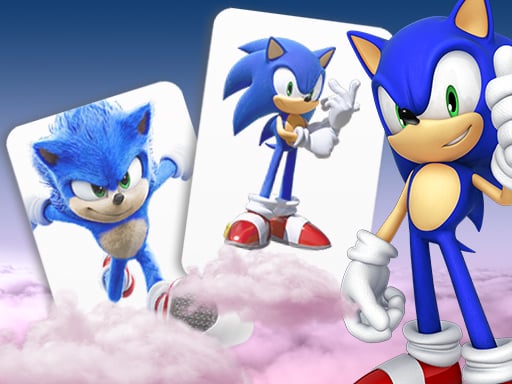
Sonic Card Match brings the legendary blue hedgehog from Sega's long-running video game franchise into a casual puzzle format. Classified under puzzles with card and match-3 elements, this browser release invites fans to interact directly on their screens. Players tap to play, exploring card-based matching challenges set against the backdrop of one of gaming's most celebrated character universes.

More Puzzles
PuzzlesSonic Card Match

Choose Play now to load the game.

Open source

Official listing

Game description

Sonic the Hedgehog is the title character and the protagonist of the Sonic the Hedgehog video game series published by Sega, as well as numerous spin-off comics, animations, and other media. Sonic is a blue anthropomorphic hedgehog who can run at supersonic speeds and curl into a ball, primarily to attack enemies. In most games, Sonic must race through levels, collecting power-up rings and avoiding obstacles and enemies. Programmer Yuji Naka and artist Naoto Ohshima are generally credited with creating Sonic. Most of the games are developed by Sonic Team. The original Sonic the Hedgehog (1991) was released to provide Sega with a mascot to rival Nintendo's flagship character Mario. Sonic was redesigned by Yuji Uekawa for Sonic Adventure (1998), with a more mature look designed to appeal to older players. Sonic is one of the world's best-known video game characters and a gaming icon. His series had sold more than 80 million copies by 2011. In 2005, Sonic was one of the first game character inductees into the Walk of Game alongside Mario, Link, and Master Chief. Sonic's first shown appearance in a video game was in the 1991 arcade racing game Rad Mobile, as a decorative ornament hanging from a rearview mirror. Sonic's first playable appearance was in the platform game Sonic the Hedgehog for the Sega Mega Drive/Genesis, which also introduced his nemesis Dr. Robotnik. His two-tailed fox friend Tails joined him in the game's 1992 sequel, Sonic the Hedgehog 2. Sonic CD, released in 1993, introduced Sonic's self-appointed girlfriend Amy Rose and recurring robotic doppelgänger Metal Sonic as Sonic traveled through time to ensure a good future for the world. Sonic 3 and its direct sequel Sonic & Knuckles, both released in 1994, saw Sonic and Tails battle Robotnik again, with the additional threat of Knuckles, who is tricked by Robotnik into thinking Sonic is a threat. Sonic 4 (2010–2012) continues where the story of Sonic 3 left off, reducing Sonic to the only playable character and releasing in episodic installments. The second episode sees the return of both Tails as Sonic's sidekick and Metal Sonic as a recurring enemy. Other two-dimensional platformers starring Sonic include Sonic Chaos (1993), Sonic Triple Trouble (1994), Sonic Blast (1996), Sonic the Hedgehog Pocket Adventure (1999), Sonic Advance (2001), Sonic Advance 2 (2002), Sonic Advance 3 (2004), Sonic Rush (2005), Sonic Rush Adventure (2007), Sonic Colors (2010), and Sonic Generations (2011), all in which were released for handheld consoles. Sonic Adventure (1998) was Sonic Team's return to the character for a major game. It featured Sonic returning from vacation to find the city of Station Square under attack by a new foe named Chaos, under the control of Dr. Robotnik (now known as Dr. Eggman). It was also the first Sonic game to feature a complete voice-over. Sonic Adventure 2 (2001) placed Sonic on-the-run from the military (G.U.N.) after being mistaken for Shadow the Hedgehog. Sonic Heroes (2003) featured Sonic teaming up with Tails and Knuckles, along with other character teams like Team Rose and Chaotix, against the newly rebuilt Metal Sonic, who had betrayed his master with intentions of world domination. Sonic the Hedgehog (2006) features Sonic in the city of water, "Soleanna," where he must rescue Princess Elise from Dr. Eggman while trying to avoid a new threat to his own life, Silver the Hedgehog. He is the only playable character in Sonic Unleashed (2008), in which he unwillingly gains a new personality, "Sonic the Werehog," the result of Sonic being fused with Dark Gaia's power. He gains strength and flexibility in exchange for his speed, and new friends including a strange creature named Chip who helps him along the way. In Sonic Colors (2010), Eggman tries to harness the energy of alien beings known as "Wisps" for a mind-control beam. Sonic Generations (2011) features two playable incarnations of Sonic: the younger "classic" Sonic, whose gameplay is presented in a style reminiscent of the Mega Drive/Genesis games, and present-day "modern" Sonic, who uses the gameplay style present in Unleashed and Colors, going through stages from past games to save their friends. Sonic Generations features various theme songs including modern and retro versions that are able to be selected from throughout Sonic's twenty-year history. In April 2013, Sega announced that Sonic Lost World would launch in October 2013 for the Wii U and Nintendo 3DS. Sonic and the Secret Rings (2007) features Sonic in the storybook world of One Thousand and One Nights. A sequel, Sonic and the Black Knight (2009), continued the storybook theme, this time taking place within the realm of the Arthurian legend. Sonic has also been featured in other games of many genres other than 2D and 3D platform games. These include Sonic Spinball, Sonic Labyrinth (1995), the racing games Sonic Drift (1994), Sonic Drift 2 (1995), Sonic R (1996), Sonic Riders (2006), Sonic Rivals (2006), Sonic Rivals 2 (2007), Sonic Riders: Zero Gravity (2008), and Sonic Free Riders (2010), the fighting games Sonic the Fighters (1996) and Sonic Battle (2003), the mobile game Sonic Jump (2005), and the role-playing video game Sonic Chronicles: The Dark Brotherhood (2008). Video games such as Dr. Robotnik's Mean Bean Machine (1993), Knuckles' Chaotix (1995), Tails' Skypatrol (1995), Tails Adventure (1995), and Shadow the Hedgehog (2005) starred supporting characters of the Sonic series, although Sonic himself cameos in most of them.


From the game listing

Instructions and controls

Tap To Play

Game videoWatch before you playOpen the official gameplay walkthrough for Sonic Card Match

Open this card to load the gameplay video.

Game walkthroughHow to play Sonic Card MatchRules, controls, strategy, tips and answers

About Sonic Card Match

Sonic Card Match brings the legendary blue hedgehog from Sega's long-running video game franchise into a casual puzzle format. Classified under puzzles with card and match-3 elements, this browser release invites fans to interact directly on their screens. Players tap to play, exploring card-based matching challenges set against the backdrop of one of gaming's most celebrated character universes.

Originally introduced by Sega in 1991 to rival flagship platform characters, Sonic the Hedgehog became a worldwide icon known for high-speed adventures, iconic rings, and battles against Dr. Robotnik. Over decades of sequels, spin-offs, and handheld adaptations, Sonic has appeared across diverse formats from platformers to casual puzzlers. Sonic Card Match takes that rich history and translates it into an accessible browser-based puzzle title. Rather than racing through loops at supersonic speeds, players engage with card and match-3 puzzle mechanics built inside an 800 by 600 display resolution. Tapping to initiate play, users can enjoy a straightforward, relaxed puzzle experience while celebrating Sega's classic mascot.

Your goal

The core objective in Sonic Card Match centers on interacting with puzzle cards and completing matching combinations. Players tap the screen to play, evaluating the card layout to spot corresponding pairs or match-3 groupings. By steadily clearing matched pieces across the puzzle board, you aim to resolve the board efficiently and engage with the themed card puzzle challenge without relying on complex platforming mechanics.

How to play Sonic Card Match

1. Load Sonic Card Match on your device to display the 800 by 600 game area.

2. Tap to play and open the active card puzzle interface.

3. Inspect the displayed cards to find matching patterns or match-3 opportunities.

4. Tap on corresponding cards to make pairs or group identical elements together.

5. Continue clearing matches systematically to progress through the puzzle layout.

Controls and device support

Tap: Play

  • Controls: Mouse or touch
  • Device support: Desktop + mobile
  • Game frame: 800 x 600

What makes the challenge interesting

Gameplay focus in Sonic Card Match shifts away from the blistering speed and acrobatic jumping typical of mainline Sonic adventures toward deliberate pattern recognition and puzzle solving. Operating within the card and match-3 tags, the title encourages players to pay close attention to visual cues across the playfield. Success comes from methodically identifying matching cards and executing taps cleanly. Because the browser interface operates within fixed 800 by 600 dimensions, every card position remains in view, allowing players to focus entirely on visual memory, board awareness, and methodical card clearing at their own comfortable tempo.

Tips for Sonic Card Match

  • Scan the full board before making your first move to spot obvious card pairings or potential match-3 groupings right away.
  • Keep mental notes of uncovered card faces so you can quickly tap matching pairs when duplicate cards appear later.
  • Focus on clearing matching clusters from one section of the board before shifting attention to chaotic, scattered cards.

The skills behind the game

As part of the puzzle category, Sonic Card Match offers a calmer, logic-driven diversion compared to traditional arcade action titles. Puzzle games emphasize pattern recognition, spatial awareness, and patient problem-solving. By combining card matching elements with match-3 puzzle mechanics, this title fits neatly into browser-based casual gaming catalogs, offering straightforward play sessions that require focused observation rather than rapid reflexes or intricate combination inputs.

Who will enjoy this game

Players seeking a puzzle game online often look for accessible browser experiences that test memory and observation. Sonic Card Match addresses that demand by blending recognized character themes with established card and match-3 puzzle game formats. The simple tap-to-play input ensures quick access across puzzle sessions, making it easy to engage in lightweight matching challenges without downloading complex software.

Games with a similar feel

Candy Crush Saga: Like Candy Crush Saga, Sonic Card Match incorporates matching puzzle concepts to clear pieces from the board. However, Candy Crush Saga revolves around shifting colored candies across expanding level tracks, whereas Sonic Card Match applies card-themed puzzle mechanics within a compact Sonic-themed framework.

Super Mario Bros.: Both Sonic Card Match and Super Mario Bros. draw heritage from legendary platforming mascots that defined 1990s gaming rivalries. However, Super Mario Bros. is an action platformer demanding running and jumping past obstacles, while Sonic Card Match is a stationary card and match-3 puzzle title.

Frequently asked questions

What controls are used to play Sonic Card Match? The game uses simple touch controls where you tap to play, select cards, and interact with the puzzle board directly on your supported display screen.

Is Sonic Card Match a traditional platforming game? No, while Sonic is famous for high-speed 2D and 3D platformers, Sonic Card Match is categorized as a puzzle title focusing on card and match-3 mechanics.

Something not right?

Tell us if the game does not load, the information is wrong or the content needs review.

Report a problem