About SEOTDA CARD GAME
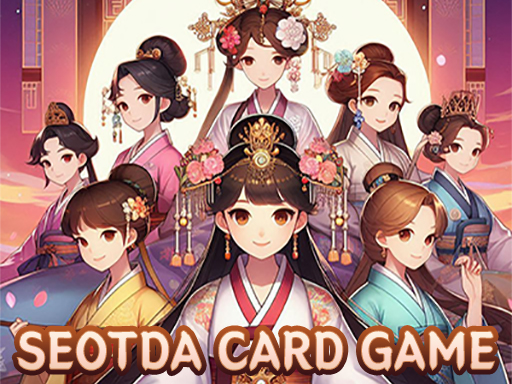
SEOTDA CARD GAME brings traditional Korean card play to modern browsers in an intense showdown format. Built around a specialized twenty-card Hwatu deck featuring floral and seasonal motifs, matches seat two to five participants in a high-stakes test of nerve. Operating essentially as a two-card stud betting contest, each hand challenges you to read opponent behavior, commit chips across multiple betting intervals, and navigate card values toward a final reveal.
At its heart, SEOTDA CARD GAME is a condensed, rapid-fire card showdown rooted in Korean gaming culture. Rather than using an international fifty-two card pack, the game convenes with a twenty-card subset of Hwatu cards. These distinctive tiles or cards carry intricate floral imagery and symbolic artwork representing different calendar months and seasons. With only twenty cards in circulation, the distribution of winning combinations is tight, making every dealt hand immediately consequential.
Tables typically host between two and five players who compete over shared pots through sequential betting rounds. Much like poker and classic two-card stud variants, the action alternates between evaluating card strength and choosing whether to back your holding with bets. The compact deck size accelerates the pace dramatically, ensuring that showdowns arrive quickly and forcing players to assess table positioning, pot commitments, and opponent tendencies without lingering downtime.
Your goal
Your objective in SEOTDA CARD GAME is to outplay rival participants across multiple betting rounds and capture the table pot. To achieve this, you must evaluate the strength of your dealt Hwatu cards against potential opposing combinations. Winning requires either pushing opponents out of the hand through decisive betting pressure or carrying the highest-ranking card combination into the final showdown. Over the course of a session, the overarching goal is to maintain disciplined chip management, capitalize on advantageous hands, and minimize losses when holding unpromising pairings.
How to play SEOTDA CARD GAME
1. Join an online table seating anywhere from two to five active players to begin a session.
2. Receive your starting Hwatu cards drawn from the specialized twenty-card seasonal deck.
3. Examine the floral and seasonal symbols to identify the relative scoring potential of your dealt cards.
4. Participate in the opening betting phase by clicking or tapping on-screen options to wager or match table bets.
5. Navigate subsequent betting intervals, deciding whether to back your hand or concede the pot.
6. Reach the final showdown to compare remaining card combinations and claim the accumulated chips if your hand prevails.
Controls and device support
All table interactions, including betting selections and round confirmations, are handled by clicking with a mouse on desktop or tapping the display on touchscreen mobile devices.
- Controls: Mouse or touch
- Device support: Desktop + mobile
- Game frame: 800 x 600
Rules to keep in mind
- Matches are played with a compact 20-card deck derived from traditional Hwatu cards representing months and seasons.
- Games support table sizes ranging from two up to five participants per match.
- Play follows a two-card stud structure where cards are dealt and evaluated across multiple betting intervals.
- Contenders must wager on the strength of their hands to remain eligible for the pot through to the showdown.
What makes the challenge interesting
The defining dynamic of SEOTDA CARD GAME lies in its high card density and mathematical immediacy. Because the entire game functions with just twenty cards, individual cards hold far more statistical significance than in standard 52-card poker variants. Players cannot rely on extensive drawing rounds or hidden community cards; instead, outcomes revolve around swift risk assessment and behavioral deduction.
This structure creates a distinct psychological rhythm. Since hands resolve in only two cards, bluffing and pot commitment happen under compressed timeframes. Committing chips with a mediocre holding can occasionally prompt conservative rivals to fold, yet the small card pool means premium combinations appear with noticeable frequency. Mastering the game demands a careful balance between fearless aggression when pot odds are favorable and disciplined folding when opposing action strongly signals superior combinations.
Tips for SEOTDA CARD GAME
- Familiarize yourself early with the floral illustrations and month pairings. A common mistake is misreading card associations during fast betting intervals, which can lead to overvaluing a modest holding.
- Account for participant count before opening aggressive bets. In a five-player match, the likelihood that at least one opponent holds a top-tier combination is significantly higher than in a heads-up duel.
- Avoid calling large wagers across multiple intervals without clear hand strength. Chasing weak pairings against persistent betting drains chip stacks rapidly in short-deck formats.
- Vary your betting patterns when holding strong cards. Checking or making measured opening bets can prevent cautious rivals from abandoning the hand early, maximizing the final pot value.
Playing on different devices
SEOTDA CARD GAME is delivered in an HTML5 format tailored around an 800 by 600 display resolution. On desktop browsers, the fixed canvas dimensions provide clean visibility of the entire felt table, allowing players to track card graphics and betting buttons with direct mouse clicks. On mobile devices, the title operates via responsive tap inputs, though playing in landscape orientation ensures that delicate floral card art remains sharp and accessible.
The skills behind the game
Card and board game titles occupy a beloved corner of casual digital gaming, bringing historic parlor traditions into accessible online lobbies. Within this landscape, card showdown games bridge traditional tabletop strategy and psychological mind games. While western card tables frequently lean on standard suits and community boards, games utilizing alternate heritage decks, such as Asian flower cards, introduce distinct deck distributions and cultural aesthetics that enrich the genre.
The presence of multiplayer competition enhances this format by replacing predictable algorithmic opponents with dynamic human decision-making. Bluffing, careful risk calculation, and shifting table chemistry define the experience. By stripping away complex multi-street board interactions in favor of concise two-card evaluations, titles in this space offer quick tactical engagements suitable for short breaks while retaining deep tactical depth across extended sessions.
Who will enjoy this game
Players looking for a seotda card game usually seek an authentic digital adaptation of traditional Korean card betting that operates smoothly in a web browser without extensive downloads. Whether searching for casual card entertainment or looking to practice the rhythmic bluffing fundamentals of two-card stud, this format provides an immediate entry point. It serves both newcomers curious about Hwatu mechanics and seasoned card enthusiasts seeking a fast-paced alternative to lengthy poker tournaments.
Exploring a dedicated seotda card game game offers practical value for developing risk assessment skills. Because the twenty-card deck limits total card variance, participants can practice identifying pot odds, timing aggressive betting moves, and reading table momentum under simplified parameters. It serves as an accessible practice arena for honing the psychological discipline necessary in any high-stakes betting game.
Frequently asked questions
What kind of deck is used in SEOTDA CARD GAME? The game uses a specialized twenty-card deck drawn from Korean Hwatu cards. These cards are decorated with floral artwork and seasonal symbols representing different calendar months rather than standard French suits.
How many players can participate in a table round? Matches are designed to accommodate between two and five players simultaneously, offering flexible dynamics ranging from tight heads-up betting duels to crowded five-way table pots.
How does betting work in SEOTDA CARD GAME compared to poker? The game functions essentially like two-card stud. Players receive dealt cards and engage in sequential betting intervals where they wager on hand strength, culminating in a final showdown if multiple players remain.
What controls are required to place bets and play? The interface relies on universal click or tap controls. You can make all betting decisions, calls, and folds by clicking with a mouse on desktop or tapping your mobile touchscreen.
Something not right?
Tell us if the game does not load, the information is wrong or the content needs review.
Report a problem ›