About Private Toy Racing
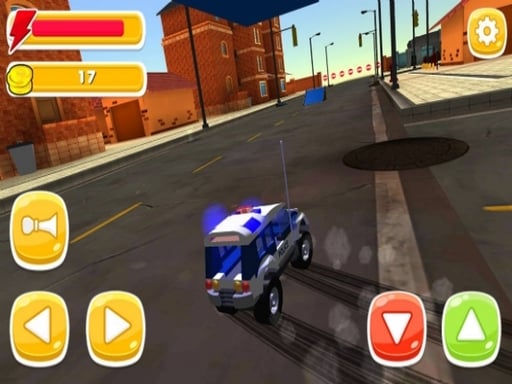
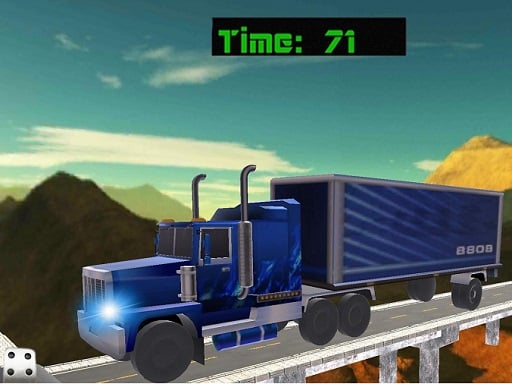
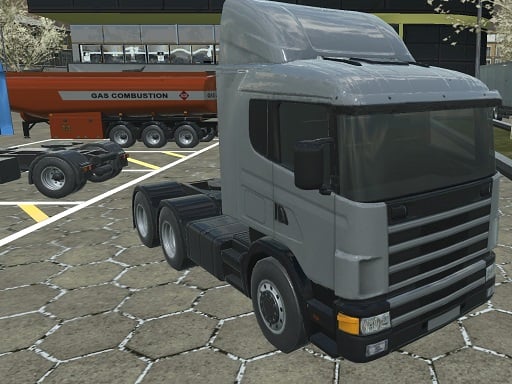
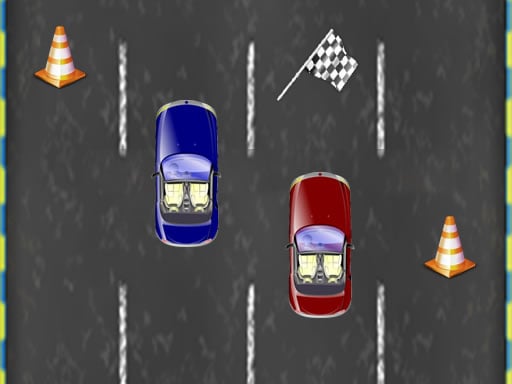
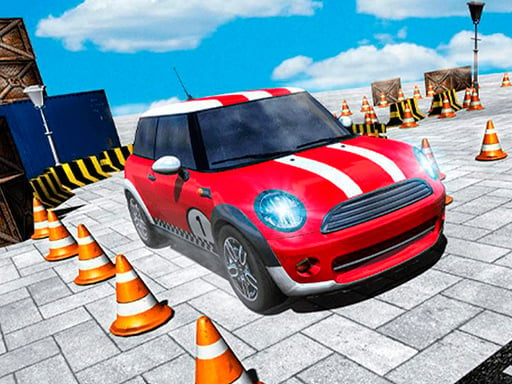
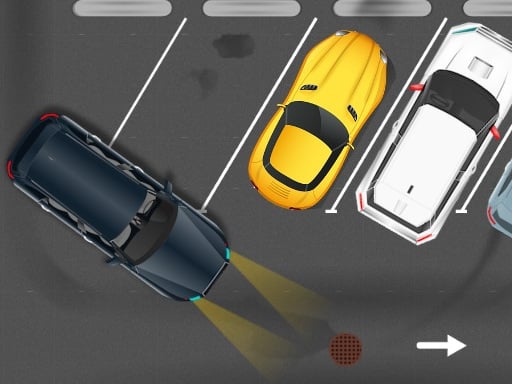
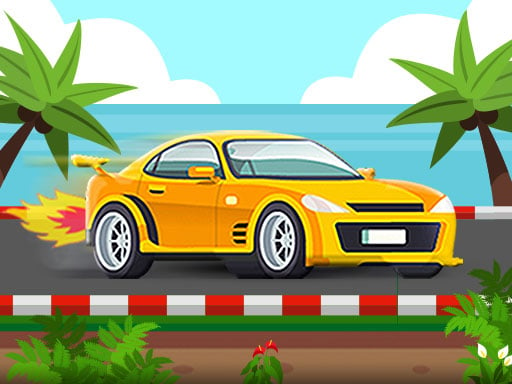
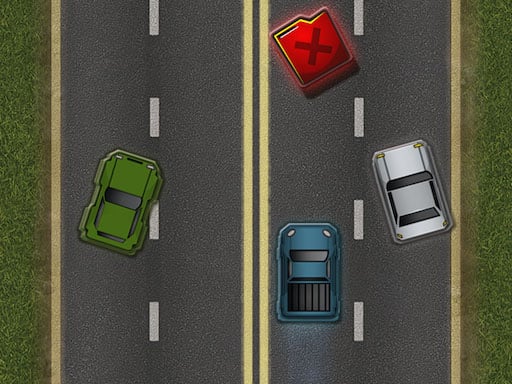
Private Toy Racing is an arcade driving game offering three distinct environments to explore: Free Ride, Highway, and Arena. Players take the wheel to test vehicle handling across open space, gather coins while weaving through moving road traffic, and tackle open arena runs. With on-screen touch and click controls, the challenge centers on steady steering, hazard awareness, and avoiding hazardous oil spills on busy roadways.
Private Toy Racing divides its driving experience into three distinct play modes: Free Ride, Highway, and Arena. In Free Ride mode, players can test their vehicle's handling, acceleration, and general capabilities in an unpressured setting, making it an ideal starting point to get accustomed to how the vehicle steers.
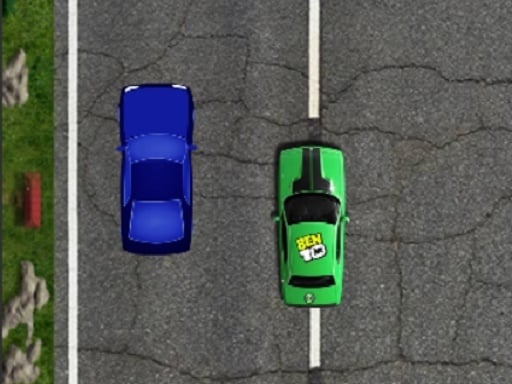
Highway mode introduces active road hazards where drivers aim to collect an ever-increasing supply of coins while navigating around active traffic flow and dodging oil slicks on the asphalt. The third option, referred to as Arena or Field mode, presents an open-format driving layout designed for varied maneuvers and responsive navigation using the built-in screen controller.
Your goal
The primary objective in Private Toy Racing depends on the chosen mode. In Highway mode, your central goal is to gather as many coins as possible while safely avoiding oncoming traffic and slippery oil patches. In Free Ride and Arena modes, the focus shifts toward testing the limits of your vehicle's handling, mastering responsive turns, and maintaining smooth control throughout the course.
How to play Private Toy Racing
1. Launch the game and choose one of the three available play modes: Free Ride, Highway, or Arena.
2. Spend your initial laps in Free Ride mode to observe vehicle handling and test your steering responsiveness.
3. Locate and use the provided on-screen controller inputs to steer, accelerate, and manage your vehicle.
4. Switch to Highway mode to collect scattered coins along the road while monitoring forward traffic.
5. Steer around road vehicles and steer clear of dark oil patches to keep your run steady.
6. Enter the Arena mode to practice wide maneuvers and test steering in an open ground setting.
Controls and device support
Private Toy Racing utilizes an on-screen controller interface for steering and maneuvering your vehicle across all supported modes.
- Controls: See in-game controls
- Device support: Browser
- Game frame: 800 x 600
Rules to keep in mind
- In Highway mode, gather visible coins along your driving path to build up your total collection.
- Exercise caution around surrounding road traffic and avoid colliding with other vehicles on the highway.
- Avoid driving directly over oil slicks on the road surface to prevent losing control of your vehicle.
- Select Free Ride mode whenever you want to evaluate vehicle capacities without traffic or coin collection demands.
What makes the challenge interesting
The defining skill in Private Toy Racing is spatial anticipation, especially when driving through Highway mode. Because traffic and oil patches share the road alongside coin pickups, players must constantly balance risk against reward. Chasing a trail of coins often requires quick lateral lane shifts, but overcommitting can place your vehicle directly into the path of surrounding traffic or an unexpected oil spill.
Using an on-screen controller introduces a tactile driving rhythm that rewards gentle, deliberate corrections rather than frantic, wide turns. Spending time in Free Ride allows you to calibrate steering response before facing the tighter confines of congested highway lanes, making vehicle control an adaptable and satisfying discipline across varied ground layouts.
Tips for Private Toy Racing
- Test steering boundaries in Free Ride mode before entering heavy traffic. Learning your vehicle's turn radius early prevents oversteering panics when negotiating tight gaps later.
- Scan ahead for dark oil spots on the road surface. Hitting slicks can compromise traction, so plan lane changes early rather than reacting at the very last second.
- Prioritize vehicle safety over risky coin pickups in Highway mode. Giving up a distant coin is always better than clipping passing traffic in an aggressive attempt to grab it.
- Make smooth, measured inputs on the on-screen controller. Holding a hard steer for too long often causes erratic swerving, making subsequent obstacle evasion much harder.
Stages and progression
Progression in Private Toy Racing is structured around mastering its three distinct modes: Free Ride, Highway, and Arena. While the game provides these different play settings rather than a rigid linear track progression, players can structure their own improvement path by moving from open-field testing to hazardous highway driving.
In Highway mode, your running challenge grows as you aim to gather an ever-increasing number of coins across extended driving sessions. Establishing a personal practice routine—mastering basic vehicle capacities first in Free Ride before testing evasive instincts against highway traffic and oil—offers a natural cycle of skill building.
Playing on different devices
Private Toy Racing runs in a standard 800 by 600 display resolution and relies on an on-screen controller setup. On mobile devices and touchscreens, steering commands can be tapped or held directly on the display. When playing on desktop browsers, players interact with the on-screen controls via mouse clicks, making stable pointer tracking useful for maintaining straight lines and smooth turns.
The skills behind the game
As part of the racing genre, Private Toy Racing emphasizes vehicular navigation, obstacle avoidance, and responsive driving. Rather than focusing exclusively on lap times against rival competitors, racing titles of this style often incorporate endurance and survival elements where navigating dynamic road hazards becomes the central challenge.
By incorporating multiple environments—ranging from stress-free open cruising to hazard-laden traffic evasion—the game highlights diverse vehicle handling skills. Players can switch freely between testing mechanical responsiveness and testing reflexes against road obstacles.
Who will enjoy this game
For players interested in a private toy racing game, this title provides an accessible browser format that loads quickly without complex setup. The lightweight structure makes it well-suited for quick casual driving sessions between daily tasks.
Anyone exploring a racing game online will appreciate the straightforward division between Free Ride practice, coin collection on the Highway, and open-ended Arena driving. It serves as an uncomplicated practice ground for refining steering discipline and reaction speed.
Games with a similar feel
Asphalt: Both Private Toy Racing and Asphalt center on fast-paced vehicular driving. However, while Asphalt is widely known for high-speed arcade courses and competitive car racing, Private Toy Racing focuses on accessible web-based driving across three distinct formats, featuring open-ended vehicle testing, arena exploration, and hazard-dodging highway coin runs using an on-screen controller.
Frequently asked questions
What modes can I play in Private Toy Racing? Private Toy Racing includes three distinct modes: Free Ride for vehicle testing, Highway for gathering coins among traffic and oil hazards, and Arena (also referred to as Field mode) for open driving practice.
What hazards should I watch for in Highway mode? While driving in Highway mode, you must watch out for surrounding road traffic and dangerous oil patches on the street surface while attempting to collect coins.
How do I control the vehicle in this game? The game provides an on-screen controller, allowing you to guide and steer your vehicle directly using touch taps on mobile screens or mouse clicks on desktop browsers.
What is the purpose of Free Ride mode? Free Ride mode is designed to let you freely test your vehicle's capacities and handling characteristics without the pressure of heavy traffic, road oil, or coin collection tasks.
Something not right?
Tell us if the game does not load, the information is wrong or the content needs review.
Report a problem ›