Official listing
Game description
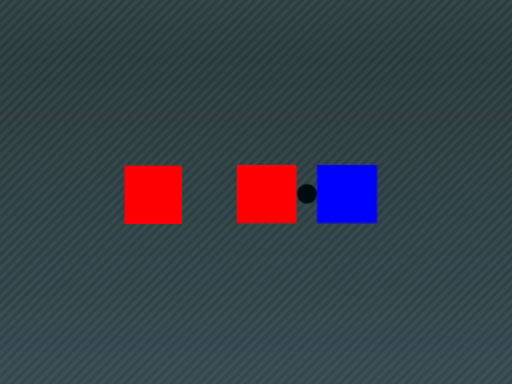
Green and Red is a basic skill game.All you have to do is avoid the red squares and collect the green squares.Every collected green square or avoided red square gives you 1 point.
Hypercasual game
Green and Red is a basic 2D hypercasual skill game about fast color decisions in a simple collect-and-avoid loop. Move with WASD or arrow keys, collect every green square you can, keep clear of red squares, and build your score one point at a time.

Choose Play now to load the game.
Official listing
Green and Red is a basic skill game.All you have to do is avoid the red squares and collect the green squares.Every collected green square or avoided red square gives you 1 point.
From the game listing
You can play the game by using WASD keys or arrow keys
Open this card to load the gameplay video.
Green and Red is a basic 2D hypercasual skill game about fast color decisions in a simple collect-and-avoid loop. Move with WASD or arrow keys, collect every green square you can, keep clear of red squares, and build your score one point at a time.
Green and Red keeps the idea deliberately simple: the screen presents green squares and red squares, and the player’s job is to read the colors quickly, move toward the green ones, and stay away from the red ones. The official description states that each collected green square or avoided red square gives 1 point, so the loop rewards both good collection choices and clean avoidance. With WASD or arrow keys as the stated controls, the game fits the hypercasual style of immediate input, clear rules, and score-focused play.
The objective is to score by collecting green squares while avoiding red squares. Every green square collected adds 1 point, and every red square avoided also adds 1 point, so steady movement and accurate color judgment matter more than complex rules.
1. Start by watching the board and separating the square colors: green squares are targets, while red squares are hazards to avoid.
2. Use the WASD keys or the arrow keys to move, as stated in the instructions.
3. Steer into green squares to collect them and gain 1 point for each one.
4. Keep away from red squares; each avoided red square also gives 1 point.
5. Repeat the collect-and-avoid loop, choosing routes that let you reach green squares without drifting into red ones.
WASD keys: Move
arrow keys: Move
The focus is quick recognition plus controlled movement. Because both collecting green and avoiding red can add points, the useful skill is not only chasing targets but also choosing a safe line through the square field. A player who rushes toward every green square may create unnecessary risk, while a player who only dodges may miss easy points. The best approach is to read colors early, commit to a clear path, and keep movements small enough to correct when the board changes.
Within hypercasual 2D skill games, Green and Red uses a minimal ruleset: color tells the player what to do, keyboard input supplies the control, and points provide the feedback. Its tags—2D, Color, and Skills—match a design built around quick decisions rather than long-term systems.
Natural phrases for this page include “green and red” and “green and red game,” used here only as descriptive language for the title and play pattern. They should not be treated as measured demand; the page simply matches the game’s name, colors, and basic skill loop.
How do you play Green and Red? Use the WASD keys or arrow keys to move. Collect green squares and avoid red squares; the description says each collected green square or avoided red square gives 1 point.
What is the goal in Green and Red? The goal is to build score through a simple skill loop: move toward green squares, keep away from red squares, and earn 1 point for each successful collection or avoidance.
What kind of game is Green and Red? It is listed as a hypercasual 2D color skill game. The design centers on immediate keyboard movement, fast color reading, and a straightforward point-based collect-and-avoid challenge.
Tell us if the game does not load, the information is wrong or the content needs review.
Report a problemExplore popular games by category, shared tags and site-wide activity.