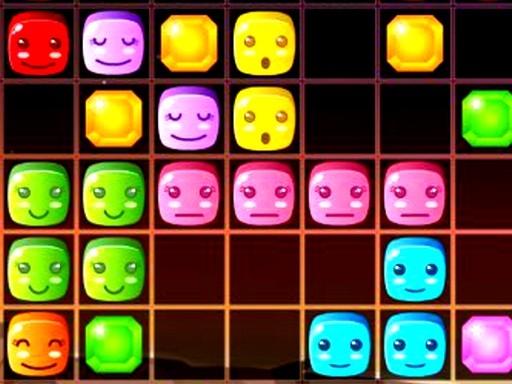
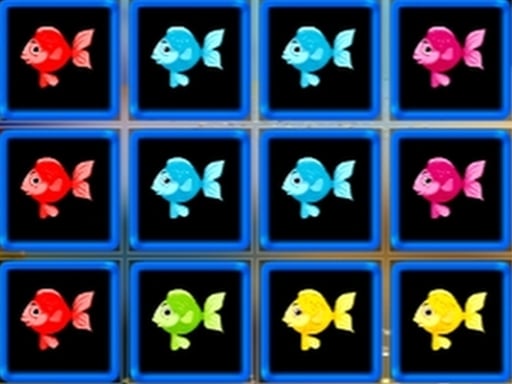
About Color Block Out!
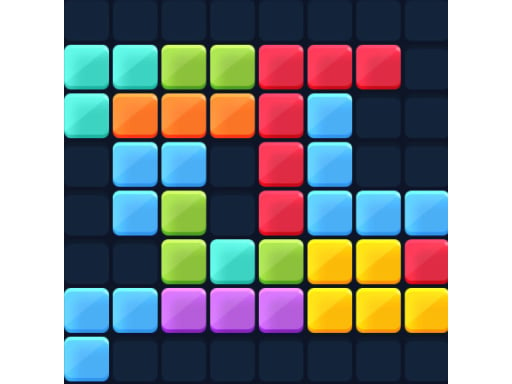
Color Block Out! is a dynamic browser puzzle game where players slide vibrant blocks across the board into matching exit gates. The core challenge lies in navigating around tricky blockers, aligning matching hues, and completing each layout before the timer runs down. It blends spatial sorting with fast decision-making for a refreshing mental workout.
In Color Block Out!, your primary goal is to guide every colored piece across the grid to its matching destination door. Each stage presents a cluster of blocks that must be dragged along open pathways while steering clear of obstacles that restrict movement.
Because stages operate under a time limit, players must balance rapid sliding with deliberate route planning. Clearing paths efficiently prevents gridlock and ensures that every piece reaches its matching exit before time expires.
Your goal
The main objective is to clear the board by moving each colored block through its corresponding gate within the allotted time limit. Success depends on solving spatial blockages quickly, preventing bottlenecks near exit gates, and maintaining a steady pace across successive puzzle levels.
How to play Color Block Out!
1. Examine the board layout to spot all colored blocks, obstacle blockers, and matching colored exit gates.
2. Click or touch a block to grab it, then drag and slide it along an open lane toward its matching gate.
3. Work around blocker pieces by shifting surrounding blocks to create clear sliding lanes.
4. Guide every remaining colored block into its matching door before the stage timer runs out to complete the level.
Controls and device support
Drag and slide each block across the playing area directly toward the gate with the matching color.
- Controls: See in-game controls
- Device support: Browser
- Game frame: 800 x 600
Rules to keep in mind
- Blocks must be moved directly into the exit gate or door that shares their specific color.
- Players must navigate around static or tricky blocker obstacles that obstruct sliding lanes.
- All required blocks must be cleared before the active level timer runs out.
What makes the challenge interesting
Color Block Out! focuses on spatial problem-solving and rapid color recognition under time pressure. The core tension comes from limited movement corridors: moving one piece often opens a path for another while temporarily obstructing a third. Players must develop strong visual foresight to plan sliding sequences two or three steps ahead.
The rhythmic sliding mechanics provide immediate tactile feedback as blocks snap through matching gates. Rushing without assessing the board can easily trap pieces behind blockers, making steady rhythm and clear visual planning essential for consistent performance.
Tips for Color Block Out!
- Scan the entire grid before making your first move. Identifying which gates have unobstructed paths lets you clear easy blocks immediately and open up room for more congested areas.
- Prioritize unblocking tight corridors early. Shifting pieces away from central bottlenecks gives you the necessary clearance to slide corner blocks toward their matching doors without getting trapped.
- Keep an eye on the clock while making moves. If a particular piece seems wedged behind blockers, temporarily switch to another color to maintain puzzle momentum before time runs low.
- Avoid dragging pieces into dead-end slots near blockers. Placing a block into a confined space without an exit route forces redundant corrective moves that waste valuable seconds.
Stages and progression
As you advance through the levels in Color Block Out!, puzzle configurations present denser block clusters and more complex obstacle placements. Mastering these stages involves refining your opening scan routine and executing cleaner, more direct sliding paths.
Building a structured practice habit helps you handle tighter time constraints. Focus on recognizing repeating spatial patterns and clearing blocking clusters quickly so that later stages feel orderly rather than chaotic.
Playing on different devices
The game runs within a standard 800 by 600 display canvas, offering a clean overhead view of the puzzle grid. On desktop browsers, precise mouse dragging allows for smooth and exact block placement.
When playing on touch devices, steady swipe motions directly over each block ensure accurate movement into target gates without accidentally snagging on neighboring blockers.
The skills behind the game
Within the online puzzle category, sliding block games hold a dedicated following due to their blend of spatial reasoning and tactile logic. Color Block Out! builds upon classic grid-clearing traditions by introducing distinct color-matching goals and dynamic obstacle navigation.
Rather than relying on static piece elimination, this style of puzzle challenges players to manage shared space, treating every piece as both a goal item and a potential obstacle until it reaches its designated exit.
Who will enjoy this game
Players seeking an engaging puzzle game online will find Color Block Out! well suited for quick casual sessions or focused mental warmups. Its accessible drag-and-slide controls make it easy to start playing immediately without complicated setup.
Whether you have a few minutes during a break or want to practice speed-solving complex layouts, navigating color gates and dodging blockers provides a rewarding test of quick observation and spatial planning.
Frequently asked questions
What is the primary goal in Color Block Out!? The main objective is to drag and slide each colored block into its matching colored gate to clear the board before the stage timer runs out.
How do blockers affect gameplay? Blockers act as tricky obstacles that obstruct open lanes. You must maneuver your colored blocks around them or shift adjacent pieces to create clear paths to the exit doors.
Can I slide a block into any exit gate? No. Each block must be guided specifically to the gate or door that matches its color to be cleared from the puzzle board.
Something not right?
Tell us if the game does not load, the information is wrong or the content needs review.
Report a problem ›